Our next opportunity goes to the waitlist first. Join free →
A once-in-a-generation window

Apartments just went on sale.
It won't last long.

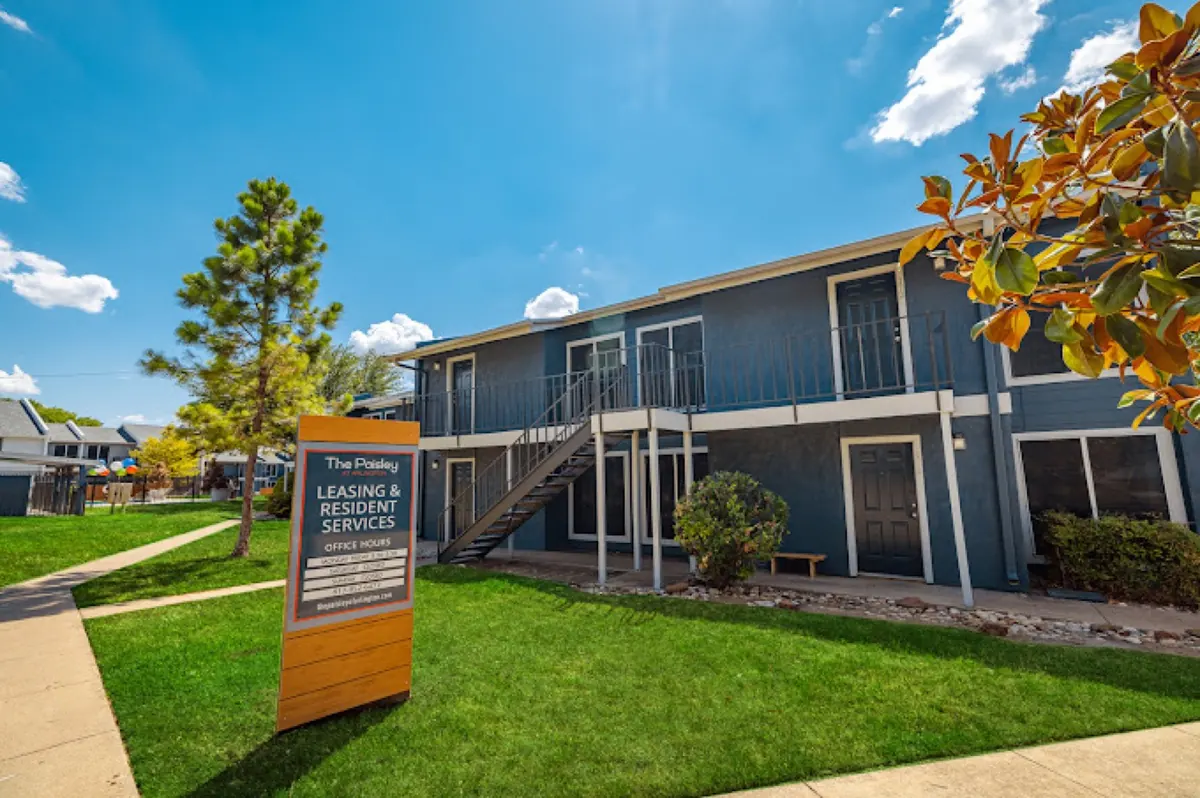
I spent my career in the OR as a CRNA. Today my family operates apartment communities across Dallas–Fort Worth. Right now, good buildings are selling for less than it costs to build them — because their owners have to sell. This page explains exactly what's happening, in plain English, the way I'd explain it to a colleague between cases.

Join the Investor Waitlist →

Free · No obligation · Waitlist members see our next opportunity first.

The Real Problem

You earn it one case at a time.
Is it working as hard as you do?

Anesthesia pays well — and it pays in the most expensive way possible: W-2 or 1099 income taxed at your top rate, earned only while you're physically in the room. The money you've managed to set aside faces three quiet problems nobody talks about at the head of the bed.

Cash

It shrinks every year

Prices keep rising, so the same dollars buy less over time. Sitting still means slowly falling behind.

The stock market

It swings — hard

You can wake up post-call to find a chunk of your savings gone, with zero control over any of it.

Owning rentals yourself

It's a second job

Real estate works. But tenants, toilets, and 3 a.m. phone calls? You already take enough call.

The fourth door

Income without the job

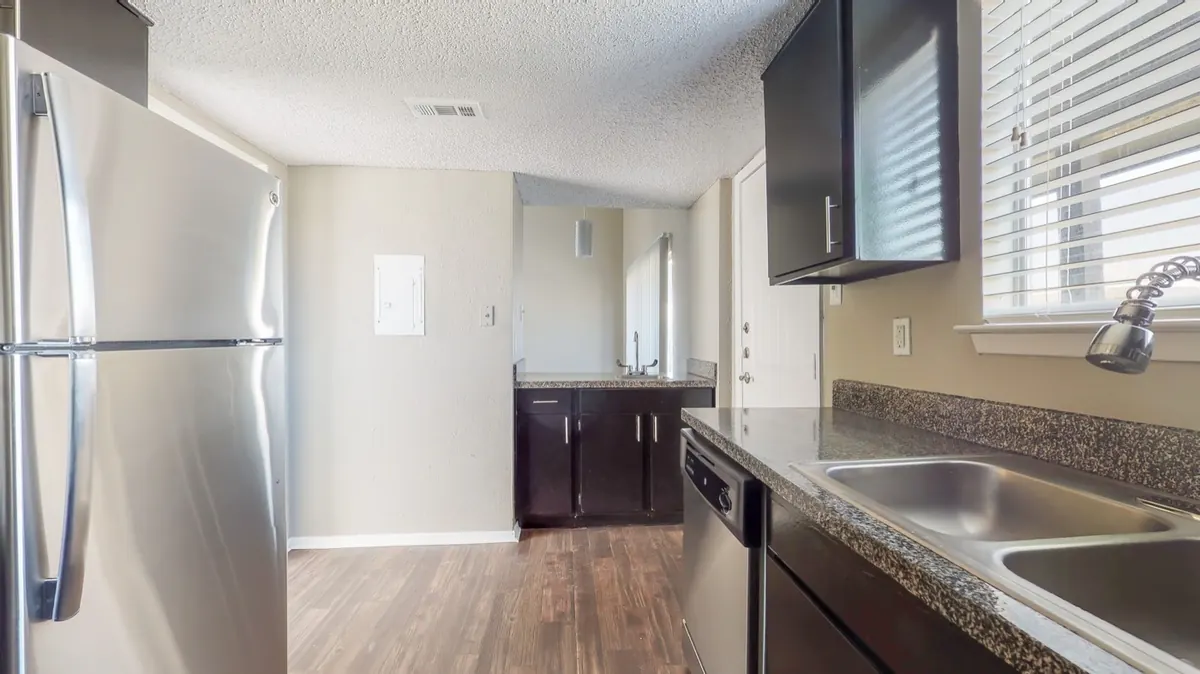
Own interests in apartment communities run by a professional team — so the income doesn't require your presence the way an OR schedule does.

What it's really for

Control of the dose

Most of my colleagues don't want out of medicine. They want to choose their number of shifts — and keep their summers. Income you don't trade hours for is how you buy back the schedule.

Tax treatment

What your paycheck never gets

Real estate ownership can come with depreciation deductions and a simple K-1 — treatment a clinical paycheck simply doesn't receive. Ask your CPA what applies to you.

Disclaimer: General illustration only, not investment or tax advice. All investing involves risk, including possible loss of principal. Nothing here guarantees protection from inflation, market volatility, or the risks of property ownership.

The Opportunity

Cheap loans built the boom.
Now the bill is due.

For years, money was almost free, and apartment buyers used cheap short-term loans. Then interest rates jumped faster than they have in four decades. Those loans are now coming due — and many owners can't pay them off or replace them. Some have to sell. Fast. That is the entire opportunity in one paragraph.

+5%

How much benchmark interest rates jumped in 2022–2023 — the fastest climb since the early 1980s.

−28%

How far apartment values have fallen from their 2022 peak, on average.

$1.26T

Commercial real estate loans coming due by 2027. Many can't be refinanced at today's rates.

~45%

On distressed loans, new appraisals are coming in roughly 45% below original values. The average hides the damage.

Here's the part that matters: the buildings are full and the rent gets paid. The debt is the problem — the demand is not. When an owner is forced to sell a full, functioning building, the buyer who can close gets the discount.

Sources: Rate increase — Federal Reserve (Fed Funds target, 2022–2023). Value decline — Green Street Commercial Property Price Index (apartment sector vs. 2022 peak). Maturities — MMG Capital and S&P Global estimates of U.S. commercial real estate debt maturing through 2027. Distressed appraisals — KBRA analysis of appraisal values on distressed loans (2024). Figures are approximate, subject to revision, and describe market conditions — not any specific investment outcome. Disclaimer: Derived from sources believed reliable; accuracy and completeness are not guaranteed.

Why Most People Miss It

Most people read this market backwards.

“The good deals are already gone.”

No. The wave of loan maturities is forecast to continue through 2027. The forced sellers aren't done — most haven't even hit their maturity date yet.

“High rates ruined the opportunity.”

High rates are the opportunity. They're the reason owners have to sell. Cheap money is what created the overpriced market everyone complained about.

“You have to time the exit to win.”

Not if you're never forced to sell. Buy right, finance long, hold through the cycle. Timing matters most to people who over-borrowed.

The fear that keeps everyone else out is exactly what creates the low price.

Where We Buy

The Texas Triangle — our home turf.

We focus on Dallas–Fort Worth and the Texas Triangle. Not because a spreadsheet told us to — because we live here and operate here. This is where people and jobs keep arriving, and it's also where distressed apartment loans are piling up fastest. Demand isn't the problem. The debt is. That's where the best buying comes from.

#1

Texas has added more residents than any other state for three straight years — over 1,000 new Texans every day.

8.5M

People now call Dallas–Fort Worth home — on track to pass Chicago as America's #3 metro.

−50%

New apartment construction in Texas is set to fall by roughly half. The renters keep coming — the new competition stops.

Sources: U.S. Census Bureau population estimates (state and metro, 2020–2025); RealPage Market Analytics, Texas supply outlook. Figures rounded. Disclaimer: Market statistics describe general conditions, not a forecast of any specific property or investment outcome. Past growth does not guarantee future growth.

How We Look at Opportunities

A deal only works if it passes five tests.

Whether you ever invest with us or with anyone else, take this checklist. Most people only make money when the market goes up. These five tests are how a deal can work even when it doesn't:

01

Priced below build cost

Pay less than it would cost to build the property new. That gap is the cushion everything else rests on.

02

Pays for itself now

The rent covers the loan at today's rates — not someday's. Hope is not a debt strategy.

03

Safe, long loans

Fixed-rate, longer-term financing. No surprise payment shocks down the road — that's what's sinking the sellers.

04

We run it ourselves

Our own management company operates the building. The people leasing units and caring for residents answer to us — not to an outside vendor.

05

A clear safety net

Plan the way out before you ever go in. If the plan requires everything to go right, it isn't a plan.

Miss one, walk away

A deal that misses even one test is relying on the market to bail it out. This is exactly how we treat our own money — in the OR I planned for the airway I hoped I'd never need, and I invest the same way.

Disclaimer: These criteria describe how M Group Capital aims to evaluate and manage risk. They do not guarantee any outcome or prevent loss. All investing carries risk, including possible loss of the entire investment.

How It Works

Four steps. Risk first, reward second.

Step 1 · Buy

Buy below what it costs to build. The discount at purchase is the cushion — you make your money going in.

Step 2 · Fix

Improve the building, raise the resident experience, and grow the rents. Better building, higher value.

Step 3 · Refinance

When the value has grown, replace the loan — with the goal of returning some or all of investor capital while investors still own the asset.

Step 4 · Hold

Hold for the long term: cash flow, loan paydown, and tax advantages — or sell when conditions genuinely favor it.

Disclaimer: This describes a general strategy, not a promise. Whether and when any refinance or distribution happens depends on the property, financing markets, and conditions at the time. No outcome is guaranteed.

Who We Are

A CRNA and a third-generation operator.
We treat capital like it's a patient.

Corey Muldrow · Founder

From trauma anesthesia to multifamily

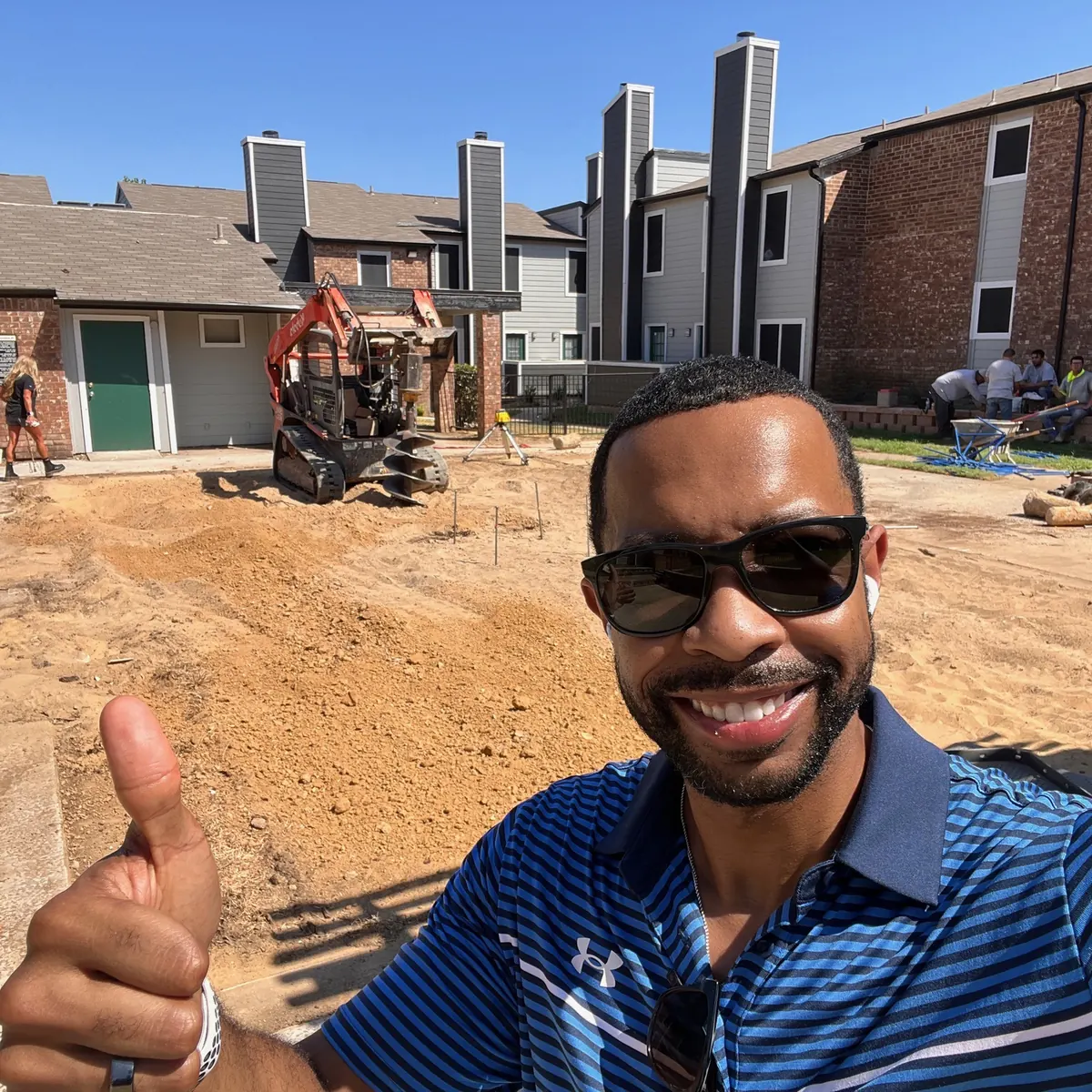
I went from a BSN at UT Austin to the Trauma ICU at Parkland, then earned my doctorate in nurse anesthesia at TCU. Years at the head of the bed taught me one discipline: protect what cannot be replaced, and never depend on everything going right. I brought that exact discipline to real estate. Today M Group operates apartment communities across DFW — with our own boots-on-the-ground team, not an outsourced manager.

Candice Muldrow · Co-Founder

Real estate isn't new to this family

Candice is a third-generation real estate professional. While I was pushing propofol, her family was operating properties through every kind of market. Together we built M Group the unfashionable way: own the operations, know every property, answer for every resident. We invest our own money in what we do — we win when our partners win.

Our unfair advantage

We manage our own buildings

M Group Residential — our own management company — runs what we own. The people leasing units, controlling expenses, and caring for residents answer to us directly. One team, one goal: run the property well and protect the cash flow.

Why anesthesia providers

Because I'm one of you

I know what Q4 call feels like. I know what the tax bill on a heavy W-2 year feels like. And I know most of us don't want to quit — we want the freedom to work because we choose to, not because the mortgage says so. That's who I built this for.

The Four Pillars

One building can pay you four ways at once.

Pillar 1 · Cash flow

Rent comes in monthly. After expenses and the loan, what remains can be distributed to investors.

Pillar 2 · Loan paydown

Part of every rent check pays down the mortgage. Month by month, the renters build the owners' equity.

Pillar 3 · Appreciation

A better-run building with higher rents is worth more. Over time, value can grow.

Pillar 4 · Tax benefits

Depreciation can shelter much of that income on paper — so you may keep more of what the property earns.

Disclaimer: These pillars describe how apartment investing can create value in general. None is promised or guaranteed — results depend on the property, market, financing, costs, and tax rules, which change. Tax outcomes vary by investor; consult your own tax advisor.

Is This For You?

Built for people who think in decades.

This may be for you if…

  • You're a CRNA, anesthesiologist, or other high-earning professional with investment money set aside.
  • Your cash is sitting in the bank or riding the market — and you want it working harder.
  • You want the potential for income from real estate without becoming a landlord.
  • You'd rather control your shift count than depend on it.
  • You think in decades, not days.

This may not be for you if…

  • You may need to pull your money out at any time.
  • You want a quick flip or a fast exit.
  • You want to manage the property yourself.
  • You're looking for a guaranteed return. (Anyone promising one — run.)

Not sure whether you're an “accredited investor”? Join anyway. Many anesthesia providers qualify on income alone and don't realize it. We'll help you figure out where you stand — there's no obligation either way.

Why Now — Not Next Year

Three clocks are ticking.
All three favor the prepared.

Clock 1 · The sellers

The forced-sale wave is peaking

$1.26T in loans comes due by 2027. Every month, more owners run out of road. This wave will eventually end.

Clock 2 · The buyers

Few buyers can close right now

Capital is scarce and many buyers are frozen. Less competition means lower prices — but only while the paralysis lasts.

Clock 3 · The rebound

When rates ease, discounts fade

The moment rates fall, buyers flood back and prices firm up. The best price is captured before that day, not after.

The deals of a cycle get bought while it's uncomfortable. By the time it feels safe, it's over. The waitlist exists so that when we find something that passes all five tests, the people who raised their hand hear about it first.

Sources: Loan maturities — MMG Capital and S&P Global estimates through 2027; pricing conditions — Green Street; Federal Reserve. Disclaimer: Statements about future market behavior are our opinion, are forward-looking, and are not a guarantee of any outcome.

M Group Capital

Join the waitlist for our next opportunity.

There is nothing to buy on this page — that's deliberate. We're building relationships with a small group of investors, most of them clinicians, before our next opportunity opens. Waitlist members see it first. Joining costs nothing and commits you to nothing.

No obligation, no spam. Joining the waitlist is not an offer or commitment of any kind — it puts you first in line to see what we're working on.

Straight Answers

The questions smart clinicians ask.

Do you have a deal I can invest in right now?

No — and we won't pretend otherwise. This page exists to build the relationship before the next opportunity, not to sell you something today. When we find a deal that passes all five of our tests, waitlist members hear about it first, with full documents to review on your own schedule.

Do I have to be an accredited investor to join?

No. The waitlist is open to anyone who wants to follow what we're doing. Many anesthesia providers qualify as accredited on income alone (the definition is set by the SEC) and don't realize it. If a future opportunity has legal requirements about who can participate, we'll walk you through exactly where you stand before anything else happens.

What happens after I join?

You'll get a text from me confirming you're on the list, and I may follow up personally to say hello and learn what you're looking for. No pressure, no pitch, and no calls you didn't ask for. When something real opens up, you'll see it before anyone else.

What if there's another 2008?

We plan for it. Buying below replacement cost, using longer-term fixed-rate debt, and making sure rent covers the loan at today's rates means a downturn doesn't force a sale. If values dip, the plan is to hold and keep operating until things turn. That's the whole point of the five tests.

What if interest rates stay high?

High rates are the reason sellers are motivated. A deal should work at today's rates — not depend on tomorrow's. If rates fall later, that's upside, not a requirement.

Why not just buy a REIT or index fund?

A REIT trades like a stock and swings with the market's mood every day. Direct ownership in specific buildings is valued on the properties themselves, and can carry tax treatment REITs can't pass through. Different tools for different jobs — ask your advisor what fits your situation.

Aren't you a nurse anesthetist? Why should I trust you with real estate?

Fair question — I'd ask it too. Two answers. First, I'm married to a third-generation real estate operator and we own the management company that runs our buildings; this is a full-time operating business, not a side hustle. Second, the OR is exactly where I learned how to handle risk: plan for what can go wrong first, then proceed. I treat invested capital the way I treated patients — nothing matters more than protecting it.

What's the biggest risk, honestly?

Real estate is a long-term, illiquid investment. You can't sell your stake with a click like a stock. Values can fall, plans can take longer than expected, and money can be lost. Anyone who tells you otherwise is selling too hard. Our job is to manage those risks with discipline — not to pretend they don't exist.

Note: These answers describe M Group Capital's general approach and are for information only. They are not investment, legal, or tax advice, and no result is guaranteed.